Rotation is where battle royale matches are quietly won and lost. The zone forces movement, movement creates exposure, and the players who planned their routes arrive fighting while everyone else arrives fleeing.
A good rotation is three decisions made in the right order: when to leave, which route to take, and where exactly to stop. This guide treats each decision separately so the whole becomes manageable.
You will find the full app information and download guidance in Rules of Survival main guide.
Reading the Zone Early
The first zone announcement is information, not an emergency. Measure your distance, note the terrain between you and safety, and decide whether you are a fast-rotate team or a loot-longer team for this match.
Watch where the zone sits relative to the flight path. Zones pulling far from the path mean most of the lobby shares your problem, and the popular routes will be crowded and watched.
- Measure distance at first zone
- Choose fast or slow rotation
- Expect crowds on shared routes
Early, Centre or Edge Play
Rotating early to a central position buys safety and information but spends your looting time and plants you where later zones attract fights from every direction.
Edge play rides the zone boundary inward, arriving later with more loot and fewer directions to watch, at the cost of occasional desperate sprints when the circle pulls cruelly. Neither style is correct; consistency with your squad's strengths is.
- Centre: safety and information
- Edge: loot and fewer angles
- Match style to your squad
Choosing Routes and Terrain
Routes should trade a little distance for a lot of cover. Rivers, ridgelines, tree lines, and building chains all let you move without offering the whole lobby a clean shot at you.
Avoid the obvious bridge, the only road, and the famous compound when you can. In battle royale, the route everyone can predict is the route someone is already aiming at. This connects closely with the maps guide, which covers the neighbouring ground in detail.
- Cover beats shortness
- Use terrain lines
- Avoid predictable chokepoints
Vehicles for Rotation
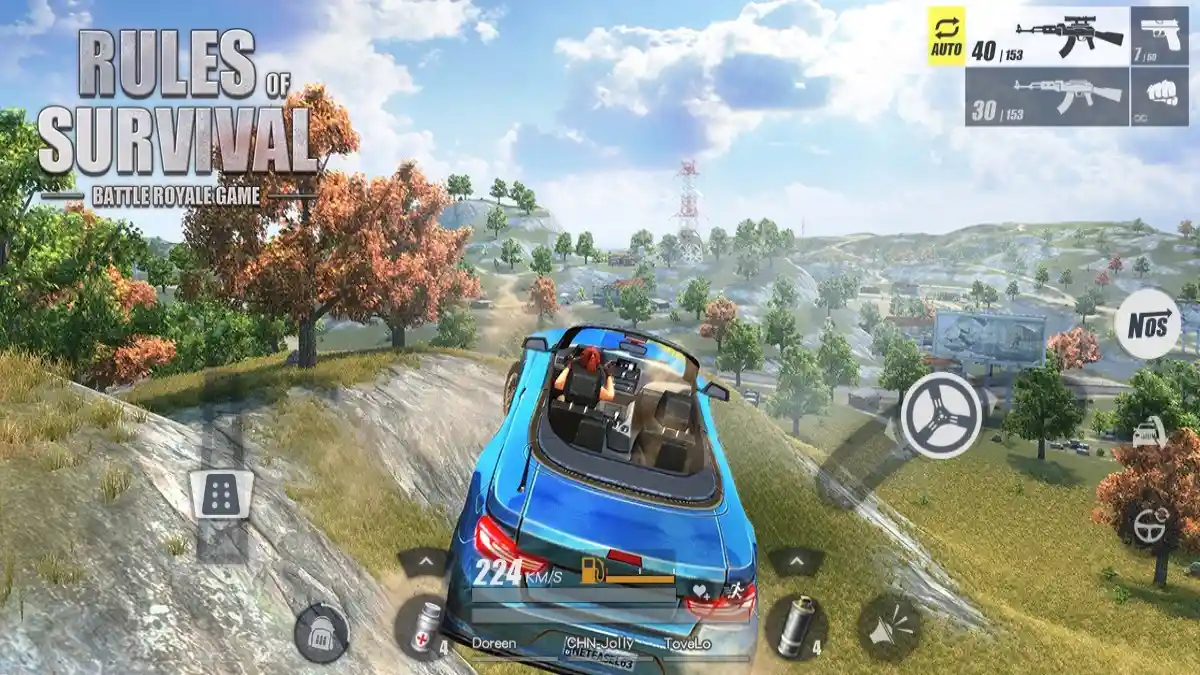
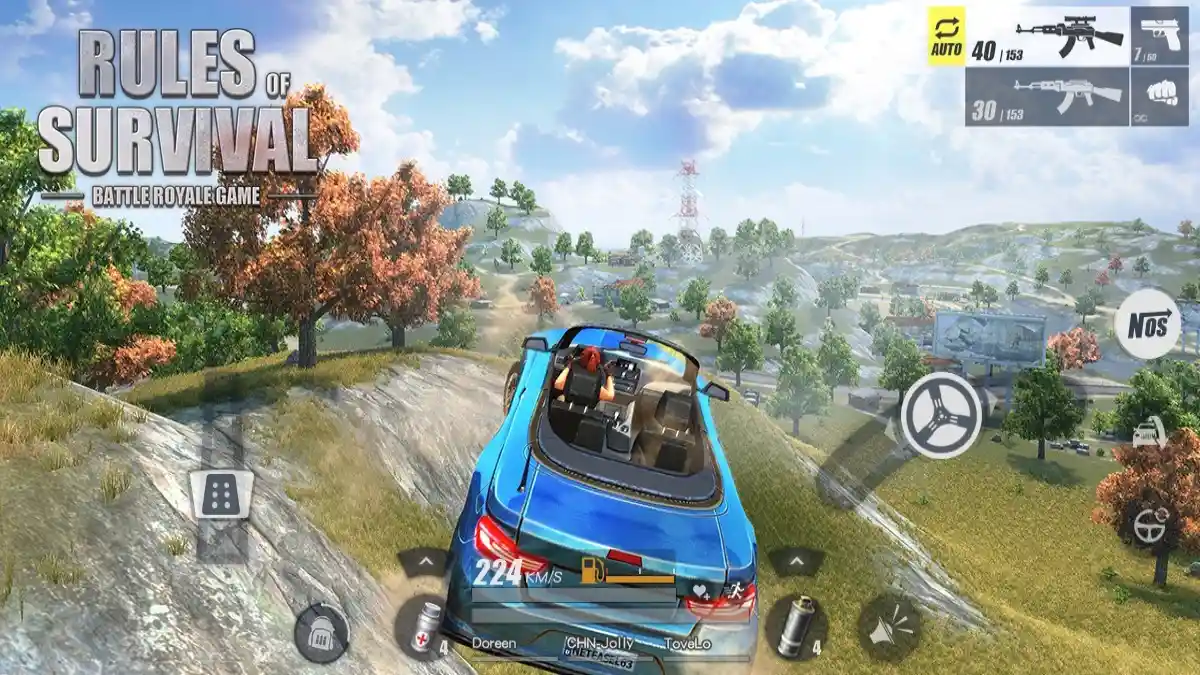
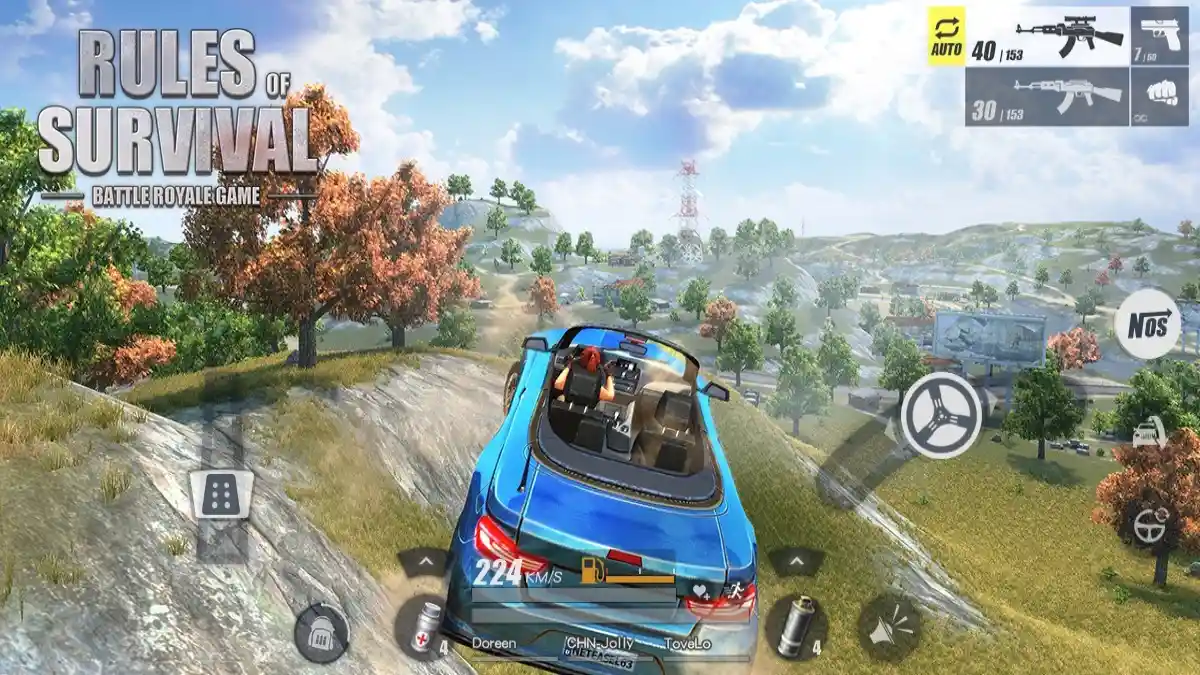
Vehicles convert time into safety and loot into an afterthought: they let you loot longer and still arrive early. They also announce you to everyone in earshot, so the last stretch into a contested area often belongs on foot.
Park vehicles as future cover and escape, not as decorations at the front door. A vehicle kept slightly back, angled for a fast exit, serves the whole next phase of the match. You can explore the related side of this in our vehicles guide.
- Speed buys looting time
- Finish contested entries on foot
- Park for cover and escape
Arriving Ready to Fight
A rotation is not finished when you cross the zone line; it is finished when you hold a defensible spot with health full, weapons loaded, and eyes on the approaches behind you, where the other late teams are coming from.
The minute after arriving is the most attacked minute in battle royale. Treat it as part of the rotation: settle fast, watch your back trail, and only then relax into looting or sniping.
- Settle into a defensible spot
- Watch the back trail first
- Arrival is a combat phase
Putting It Into Practice
Put this into practice with a deliberate week of matches. Choose one idea from this guide as the week's theme, state it to your squad before the first drop, and judge every match by how well you executed that theme rather than by placement alone. Rules of Survival rewards this kind of focused practice because its systems are consistent enough that real improvement shows quickly.
Keep the review honest and brief. After each session, name one moment where the theme worked and one where it fell apart. That pair of examples is the whole coaching staff most players need, and it costs two minutes.
Rotate themes weekly instead of chasing everything at once. A month of themed practice covers positioning, communication, looting, and fighting in sequence, and Rules of Survival players who train this way climb with a steadiness that random grinding rarely matches.
Keeping It Consistent
A pre-match checklist keeps all of this reliable under pressure. Confirm your settings feel right, your healing is stocked, your squad knows the plan for the first drop, and everyone understands who is calling rotations. Thirty seconds of checklist removes the most common causes of chaotic starts in Rules of Survival.
During the match, protect the plan from adrenaline. Most squads abandon good plans at the first unexpected gunshot, then improvise their way into the exact problems the plan existed to prevent. The plan can change, but it should change by decision, not by panic.
After the match, resist the urge to analyse everything. One lesson, written down or said out loud, survives to the next session. Ten lessons evaporate. Rules of Survival is a long game, and the squads who improve longest are the ones who learn one true thing at a time.
Frequently Asked Questions
When should I rotate in Rules of Survival?
Early enough to choose your route and arrival spot calmly. If the zone forces you to sprint through open ground, you left too late.
Is centre or edge play better?
Both work. Centre play trades loot for safety and information; edge play trades safety for loot and fewer angles to watch. Pick the style your squad executes best.
Are vehicles worth the noise?
Usually, for long rotations. They buy time and positioning. Ditch or park them carefully before entering contested ground on foot.
What is the most common rotation mistake?
Rotating straight at the zone centre by the obvious route at the last moment. Predictable, late, and exposed describes most rotation deaths.
Conclusion
Rotation rewards planners. Read the zone early, choose a style, follow covered routes, and treat arrival as a combat phase, and the map stops feeling like an enemy.
Your fights will start from positions you chose instead of positions you were chased into, and that single difference reshapes your results.