A squad without roles is four solo players sharing a voice channel. Roles do not need to be rigid job titles; they are simply agreements about who leads a push, who watches the flank, and who drives, made before the moment arrives.
Teams that agree these basics in the lobby fight noticeably cleaner than more skilled teams deciding everything mid-gunfire. Most squad wipes are coordination failures wearing the costume of aim failures.
For context on the app as a whole, see Rules of Survival complete guide before working through the details below.
The Core Squad Roles
The entry player takes first contact in pushes and needs the confidence and close-range loadout for it. The support player trades fire from a step behind, carries extra supplies, and watches angles the entry cannot.
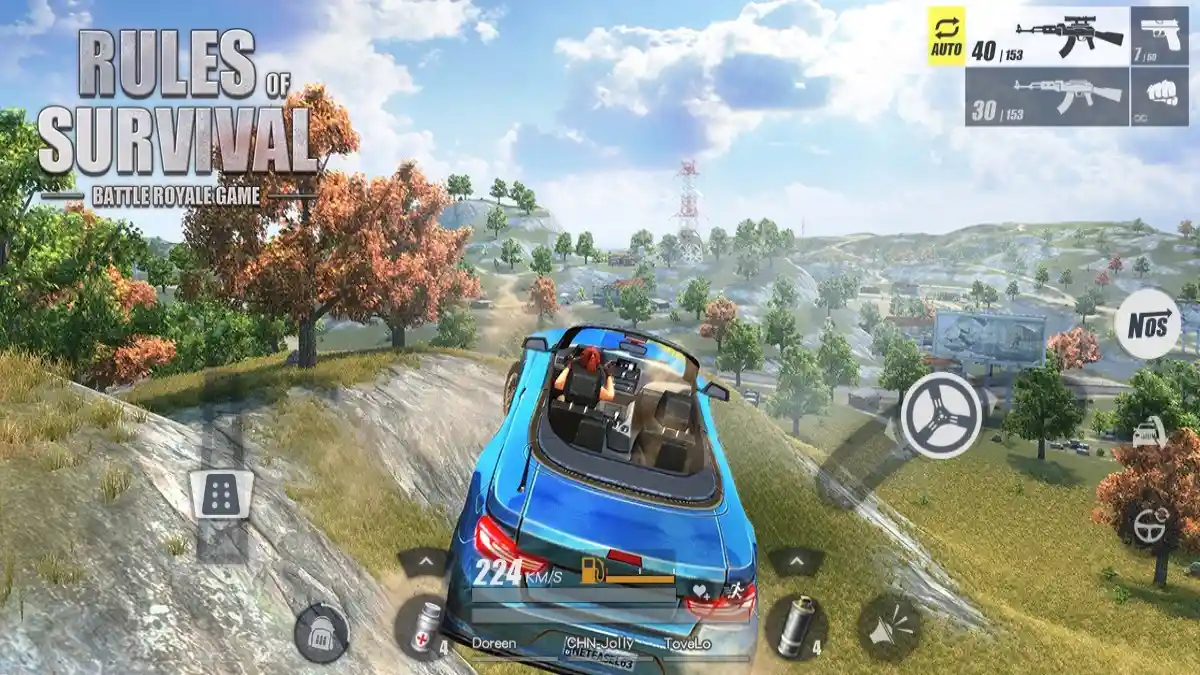
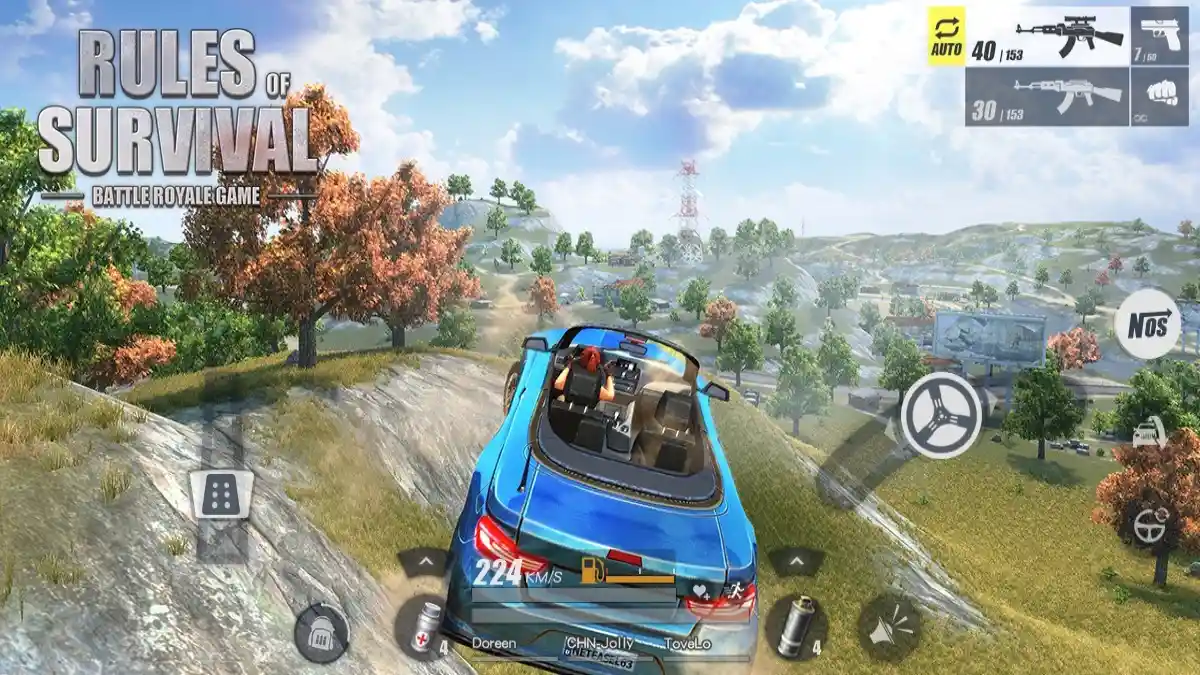
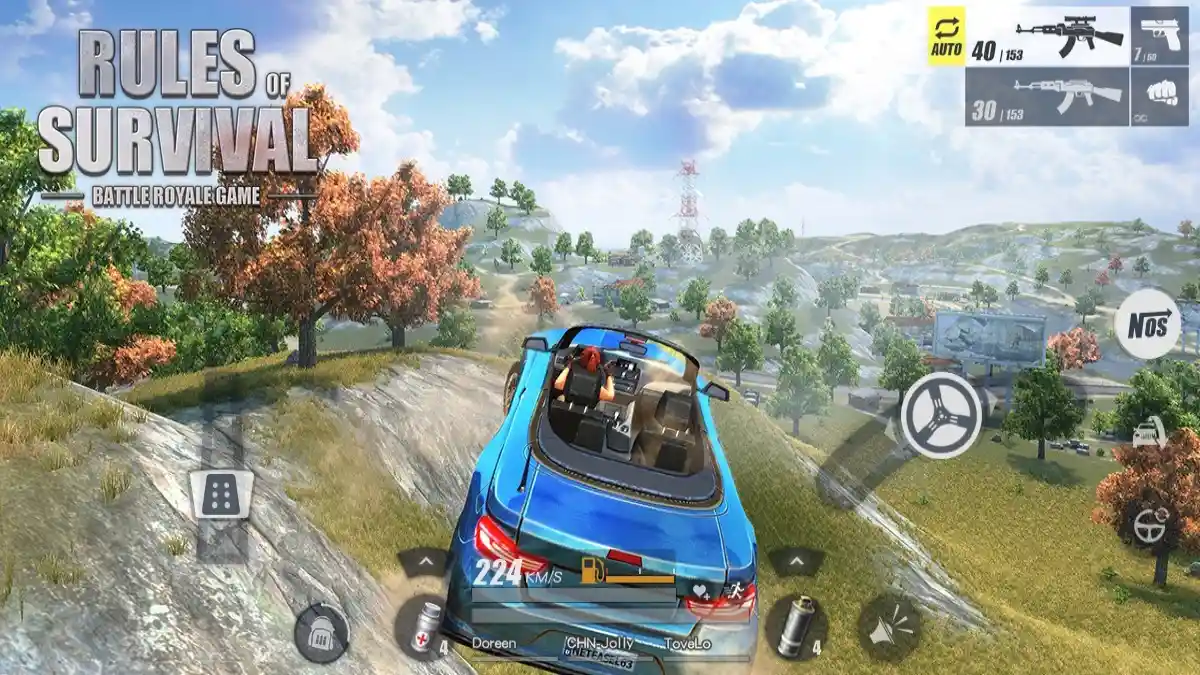
The marksman covers at range, calls targets, and punishes anyone who peeks at the push. The driver owns vehicle decisions: when to take one, where to park it, and when to abandon it.
- Entry takes first contact
- Support trades and supplies
- Marksman covers and calls
- Driver owns vehicle choices
Assigning Roles to Players
Assign by strength and temperament, not by seniority. Your calmest player may be your best marksman even if they joined last week, and your most aggressive player is wasted watching a flank grow cold.
Roles should survive honesty. If the entry player is having a terrible day, swapping roles mid-session is strength, not drama.
- Match roles to strengths
- Temperament matters
- Swap when the day demands
Communication By Role
Each role reports different information. Entry reports contact and room state. Support reports trades and supply needs. Marksman reports distant movement nobody else can see. Driver reports route and timing.
Short, role-shaped calls keep the channel useful in a fight. A channel where everyone reports everything becomes noise exactly when clarity matters most. For a deeper look at a related topic, read the multiplayer guide.
- Different roles, different reports
- Short calls in fights
- Clarity beats volume
Flexing Roles Mid-Match
Roles bend as the match changes. The marksman becomes a second support in a building fight; the driver becomes a rifleman on foot in the final circles. Agree in advance that roles flex by situation so nobody clings to a title while the fight needs something else.
When a teammate falls, their duties transfer instantly: someone picks up the calls, someone watches the abandoned angle. Rehearse the transfer in words once and it happens naturally later. This connects closely with our communication guide, which covers the neighbouring ground in detail.
- Roles flex by situation
- Duties transfer when someone falls
- Agree the flex in advance
Building a Regular Squad
Regular teammates are worth more than slightly better strangers. A fixed squad learns each other's instincts, call styles, and likely decisions, which removes whole categories of misunderstanding.
After matches, review one moment together: a push that worked or failed. Two minutes of shared review per session builds a team's brain faster than any individual drill.
- Regularity beats raw skill
- Learn each other's instincts
- Review one moment per session
Putting It Into Practice
Put this into practice with a deliberate week of matches. Choose one idea from this guide as the week's theme, state it to your squad before the first drop, and judge every match by how well you executed that theme rather than by placement alone. Rules of Survival rewards this kind of focused practice because its systems are consistent enough that real improvement shows quickly.
Keep the review honest and brief. After each session, name one moment where the theme worked and one where it fell apart. That pair of examples is the whole coaching staff most players need, and it costs two minutes.
Rotate themes weekly instead of chasing everything at once. A month of themed practice covers positioning, communication, looting, and fighting in sequence, and Rules of Survival players who train this way climb with a steadiness that random grinding rarely matches.
Keeping It Consistent
A pre-match checklist keeps all of this reliable under pressure. Confirm your settings feel right, your healing is stocked, your squad knows the plan for the first drop, and everyone understands who is calling rotations. Thirty seconds of checklist removes the most common causes of chaotic starts in Rules of Survival.
During the match, protect the plan from adrenaline. Most squads abandon good plans at the first unexpected gunshot, then improvise their way into the exact problems the plan existed to prevent. The plan can change, but it should change by decision, not by panic.
After the match, resist the urge to analyse everything. One lesson, written down or said out loud, survives to the next session. Ten lessons evaporate. Rules of Survival is a long game, and the squads who improve longest are the ones who learn one true thing at a time.
Frequently Asked Questions
What roles does a Rules of Survival squad need?
Entry, support, marksman, and driver cover the essential duties: first contact, trades and supplies, long-range cover and calls, and vehicle decisions.
Should roles be fixed for the whole match?
No. Roles are a starting agreement that flexes with the situation. Building fights and final circles reshape duties, and good squads agree that flex in advance.
How do we decide who plays which role?
By strength and temperament. Aggressive confident players suit entry, calm observant players suit marksman, and the pattern matters more than seniority.
What is the biggest squad coordination mistake?
Deciding everything mid-fight. Unclear leadership in pushes and unowned angles cause most wipes; simple pre-agreed roles prevent both.
Conclusion
Squad roles turn four players into a team. Clear duties, role-shaped communication, and honest flexibility remove the misunderstandings that cause most squad wipes.
Agree the basics before your next session and review one moment after it. Within a few weeks the coordination becomes invisible, and invisible coordination looks a lot like talent.